

Who Will Speak for Me? Webinar on Planning for the Future Without Children, April 8

Debunking More Myths About Aging

May is Older Americans Month, originally designated as Senior Citizens Month more than 60 years ago. Last year in our May blog post, we focused on Older Americans Month as an opportunity to dispel several myths about aging, such as:

  • Dementia is an inevitable part of aging.
  • Seniors should slow down and take it easy.
  • People need less sleep as they grow older.
  • It’s normal for older adults to be lonely or depressed.
  • It’s too hard to learn new things when you’re older, so there’s no point in trying.

See how we addressed these stereotypes of aging in last year’s May blog post.

This year, the Administration for Community Living (ACL) has chosen “Powered by Connection” as the theme for Older Americans Month. This theme, according to the ACL, “recognizes the profound impact that meaningful relationships and social connections have on our health and well-being.”

We can attest to just how true that statement is, based on the innumerable life-altering connections we’ve witnessed in the last 30+ years at Emerald Heights. It’s always a joy to see new residents flourishing as they form new friendships and interests. Many say they wish they’d moved here much sooner.

As we build on our earlier blog post by debunking more aging myths and misconceptions, we’ll underscore the undeniable power of positive connections.

Myth: Older people don’t contribute to society.

This may very well be one of the most destructive fallacies associated with aging (and is often the basis for ageism).

It’s not unusual for seniors to continue working well past the customary age of retirement, and not necessarily because they need the income. Many simply aren’t ready to give up the career they’ve enjoyed for decades. Others make use of their entrepreneurial spirit to start an entirely new endeavor. Some discover a new passion or pastime that leads them back into business.

And there are countless other, often overlooked, ways in which older adults continue to contribute to society. For instance, many are unpaid (in terms of money, anyway) sitters for their grandkids, providing a respite — or in some cases a sorely needed resource — for their adult children. 

Savoring the Satisfaction of Volunteering

A NationSwell article titled “How Older Adults Lead the Way in American Volunteerism” states that volunteerism in the United States generates more than $100 billion in economic activity annually. It also notes that while volunteer rates and hours served have been on the downswing the last couple of decades, volunteerism among seniors has been “comparatively resilient.”

As a result, according to the article, the proportion of total volunteer hours accounted for by older adults (age 65+) increased from 18.5% in 2002 to 28.6% in 2021. This increase in volunteerism among seniors happened even though more people in this age group were participating in the labor force — and despite the risks the pandemic imposed.

Retirees can choose any number of ways to use their newly allotted spare time to give back to their communities, such as:

  • Sharing their love with animals at a nearby shelter or sanctuary
  • Tutoring students or reading to young children at the library
  • Helping to plant and tend to a community garden
  • Pitching in at a local food bank or soup kitchen
  • Assisting their neighborhood peers at senior centers or in resident-led groups at senior living communities like ours
  • Serving on the board of a business or community organization, where they can share their considerable experience, insight and acumen

Myth: Seniors can’t adapt to new concepts and situations.

There’s a widespread notion that the older we become, the more resistant we are to changes and adopting new ways of doing things.

While there’s some truth to the maxim “old habits die hard,” it likely has more to do with the familiarity of the routine than the age of the person with the habits. Most of us have a tendency to gravitate toward what’s usual, or known, or part of our repertoire.

For those who’ve done things a certain way for decades, it might not even occur to them to try something different. This doesn’t mean they have a rigid or inflexible attitude. In fact, those decades of life experience often give them ample skills for adjusting to new situations and scenarios.

Selling the family home and moving into a new community is among the biggest changes an older adult may make. It’s more than starting a new chapter in life. It’s a whole new lifestyle, and we see people well into their 80s and 90s make this transition with great success.

Every day, we see older adults who are ready to tackle new projects, take on new challenges and step into new roles. They prove — with gusto! — that there’s no expiration date on being receptive to change.

Myth: Aging robs you of your creativity.

When you think of people who express themselves creatively, what comes to mind? Those who paint, sculpt or build, sing, play a musical instrument, perform in a theater, write, dance, dress with flair, experiment with new recipes, grow lush gardens or beautifully decorate their home?

Older adults can and do engage in these and all sorts of other creative endeavors. Some revisit talents and skills they honed in school but set aside when other priorities took over. Others discover artistic abilities they never knew they had.

“Grandma” Moses is a well-known example of someone mining their creativity later in life. Anna Mary Robertson Moses began painting with serious intent in her late 70s, had her first solo exhibition when she was 80 and kept painting for another 20 years!

Myth: Getting older makes people grumpy.

Many a novel and movie has featured an ill-tempered older family member or neighbor who makes life difficult for everyone around them. As the story unfolds, it comes to light that there’s a reason for the character’s acerbic nature. By the end of the tale, the reason has been resolved — often through some type of intervention — and the character is no longer disgruntled.

This stereotypical depiction of older adults can lead some people to believe that being grouchy, short-tempered or generally dissatisfied with life is part and parcel of the aging process.

Like other age groups, seniors have stresses that can take a temporary toll on even the most chipper among them. But most of us tend to become more “ourselves” as we age, meaning we lean even more into the traits that have shaped our personalities.

So, people who are resilient and face the world with a positive attitude are likely to maintain that outlook as they get older, whereas those who view life through a lens of negativity will probably become more irascible with age.

Sometimes, though — just like in How the Grinch Stole Christmas! — being around people with the right influence can cause a change of heart.

Myth: Once you reach a certain age, it doesn’t matter what you eat.

This might be one of the most detrimental of all myths about aging. The truth is, good nutrition may be even more important in our later years. 

For most of us, our metabolism will slow as we age and there’s a good chance our physical activity will decrease. As a result, we’ll need to consume fewer calories to maintain the same weight. It’s not unusual for seniors to experience some loss of appetite as well. For these and other reasons, older adults need to eat a diet that’s more nutrient-dense.

Our nutritional requirements also change with age. For instance, research indicates that diets lacking in certain nutrients, including vitamin B12, vitamin B6 and folate, can affect cognitive functioning in older adults and may increase the risk of dementia. 

Some foods and beverages appear to exacerbate inflammation, which may increase joint pain in people with arthritis. There are also foods that seem to fight inflammation, which may be beneficial for those with arthritis pain. 

At Emerald Heights, good nutrition is always on the menu. Our chefs create their recipes in collaboration with dietitians, ensuring the meals they prepare are both nutritious and delicious. Residents can also consult with on-site nutritionists for personalized guidance.

An Invitation to Experience the Power of Connection

Residents at Emerald Heights defy these and other myths of aging through the connections they enjoy with one another every day.

Being surrounded by your peers (and the beauty of the Pacific Northwest) can help you maximize the quality of your senior years.

We invite you to learn more about our community. Contact us to arrange a visit or call 866-822-0916.
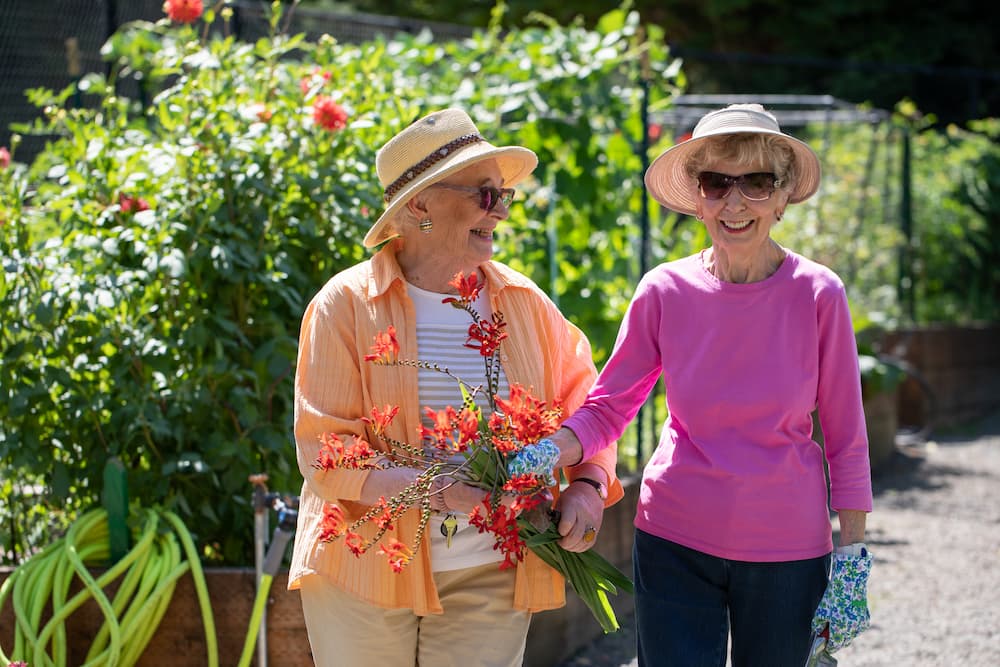
For Older Adults, Gardening Is Good for the Soul—and the Mind and Body, as Well!

gardening is good for the soul in retirement

When it comes to nurturing your soul, gardening may not be the first activity that comes to mind. You may think of meditation or journaling or visiting a spiritual retreat. The truth is, though, nearly any activity you enjoy that brings you a sense of peace and contentment can help you “grow your soul.”

Gardening for the soul gives you the bonus of also growing beautiful flowers to feast your eyes on and delicious fresh fruits and vegetables to boost your nutrition—as well as physical, mental, emotional and quite possibly even social benefits.

As the medieval Persian poet Saadi wrote, “A garden is a delight to the eye and a solace for the soul.”

How Is Gardening Good for You?

Most gardens are outside (though you can derive many of the same benefits by gardening with houseplants, including an herb garden grown on your windowsill). Simply being outdoors in a natural setting—such as a garden, park or nature trail—can lift your spirits and bring a sense of calm.

Regularly spending time outside, taking in the fresh air and sunshine, can provide many potential health benefits, too, such as:

  • Increasing serotonin levels, which can help prevent or ease depression and anxiety
  • Lowering stress by decreasing cortisol levels
  • Raising vitamin D levels, which can strengthen bones, teeth and muscles
  • Aiding cardiovascular health by lowering blood pressure and heart rate
  • Boosting immunity and energy levels
  • Helping to lower the risk of cancer, osteoporosis and rheumatoid arthritis
  • Improving sleep quality

With the variety of movement it entails, moderate-intensity gardening counts as whole-body exercise and has the potential to add these health benefits:

  • Builds strength
  • Improves flexibility and balance
  • Increases manual dexterity
  • Strengthens the heart and improves lung function

And There’s More!

Planting something, nurturing it and watching it grow can bring joy and a sense of accomplishment. This is true whether you grow flowers and other plants that add beauty to your surroundings or plants that bear fruits or vegetables.

Growing edible plants gives you the extra advantage of having fresh produce to enjoy, which can encourage better nutrition. You don’t need a plot of ground to grow vegetables and herbs. Many, including tomatoes, hot peppers, basil, chives and rosemary, will do quite well in a container garden on a patio if the conditions are sufficient.  

Gardening Can Grow Social Connections, Too

Whether you’re a novice or you were born with a green thumb, you can find online gardening communities and other forums where fellow enthusiasts share tips and advice. As you search online, you might even come across a similar group right in your own neighborhood.

You might also find there’s a community garden nearby with space you can rent for a modest fee—or you may be able to volunteer at a community garden that provides produce for people in need.

Getting Creative With Gardening

Gardening is all about creating life, and it offers limitless opportunities to exercise your creativity.

It doesn’t matter whether you’re planning a verdant sanctuary in your backyard or a window box planter for your kitchen or balcony. You can find inspiration online or at your local nursery or garden center, and then create a little (or a lot of) garden art for the soul. 

As you proceed through the planning stage and then begin working with seeds, seedlings (or bulbs) and soil, you may find that in addition to being soothing and comforting, gardening gives you something extra to look forward to as you watch your garden take shape and flourish.

Why Are Gardens Important for the Environment?

Planting a garden is one way to “go green” and show some kindness to Mother Earth. By absorbing carbon dioxide and then releasing clean oxygen, plants help clean the air.

Growing organic fruits and vegetables helps reduce the overuse of pesticides and chemical-laden fertilizers while providing healthier options for your meals and snacks.

When deciding what types of plants you want to include in your garden, you can choose a variety that will attract pollinators, including honey bees, hummingbirds and butterflies. This way, your efforts to help the environment will go well beyond your garden.

Adding a water fountain or birdbath to your garden can provide a mini oasis for feathered visitors—and increase your enjoyment as well!

You can also create an area in your garden for composting food scraps, which will enrich the soil and reduce what goes to the landfill.  

These are just a few ways of gardening for good. You can find plenty of others through an online search, like this tip sheet for climate-friendly gardening from Washington State University.

Making Gardening More Accessible for Older Adults

Tending a garden can involve bending, squatting, twisting, stooping, reaching, lifting, carrying and other movements that older adults may find more challenging than when they were younger.

Fortunately, there are modifications and tools that can help gardeners continue to enjoy their preferred pastime well into their retirement years.

Raised bed gardens, for example, eliminate the need to squat or crouch down to ground level. For a patio garden, pots and planters can be placed on shelves or tables, making them easier to reach.

Using a gardening scooter, seat or kneeler, along with lightweight, ergonomic gardening tools designed for seniors will help keep the pleasure in gardening. If your local garden center doesn’t stock these items, you can order them online. This article from the Food Gardening Network offers some great suggestions.

A Garden for Gazing and Growing at Emerald Heights

One of our earliest residents was instrumental in establishing a garden area in our community more than 30 years ago. Although it’s been moved to another location on our campus, residents still can reserve a plot within the garden where they can grow nearly anything they want.

Like most other residents who have a plot in the garden here, Martha and Bob O’Keefe had a garden at their home before moving to our community more than a decade ago. Bob now chairs the residents’ garden committee and Martha keeps the group’s records.

Although the garden is enclosed with a mesh fence to keep deer and rabbits from making a meal of residents’ plants, it’s still quite visible. Throughout the growing season, you’ll find a broad array of plants in the garden, from showy roses and dahlias to peas, beans and rhubarb—and the ever-popular tomato plants, of course. A member of the residents’ bonsai group even has a plot in the garden for growing starter trees!

There’s a bench in the garden for anyone who wants to relax and admire the handiwork of their fellow neighbors. As Bob points out, it’s also a good spot for birdwatching and occasionally catching a glimpse of a deer passing by.

Having moved to Redmond from a more rural area in upstate New York, Martha says she is “intentional about getting into nature” because “it’s good for your health and well-being.” 

In addition to the physical activity, Martha notes that gardening also benefits brain health because of the creativity and engagement it involves. There are other reasons she likes to garden, as well.

“I find just getting my hands in the dirt in the spring is good for my soul,” she says. “The harvest is rewarding, too.”

How the Garden Brings People Together

Bob and Martha both enjoy the social aspect of gardening, particularly the camaraderie of neighbors who are also working in the garden.

Because the garden is adjacent to our nature trail, people who are out walking on the trail often engage with the gardeners as they’re tending to their plants. This is a prime example of the many spontaneous opportunities residents have to meet others who live here.

Emerald Heights gardeners who are looking for a reliable source of advice can turn to Julene Wright , a master gardener living in our community who’s generous with her considerable knowledge.

In addition, our facilities staff is happy to help support the gardeners’ needs and maintain the overall garden, eliminating the literal and figurative “heavy lifting” for residents. For instance, the staff moves the compostable materials to the designated area, maintains the water supply to the garden and helps with the soil. Staff members also created the garden beds and built the enclosure.

Growing Beyond the Garden

As Martha notes, there are other opportunities besides the garden plots for residents to “get their hands in the dirt” here at Emerald Heights.

Our amazing garden railroad is a good example. Residents can volunteer to plant annuals in the garden railroad for the warmer seasons and prune the garden’s other plants to keep them at the right size for the railroad display. 

There’s also the aforementioned resident-led bonsai group, which has proved to be quite popular since it was started a few years ago.

Another group is the resident landscaping committee, which collaborates with our facilities staff on landscaping projects for areas such as the chapel garden.

Last but certainly not least, residents are always welcome to grow their favorite plants in their homes, including on their patios and balconies—and many do!

Want to learn more about how Emerald Heights makes it easy for new residents to continue doing all they love to do? Contact us to schedule a visit or call (866) 822-0916.

Ready for a Change of Pace? Our Nature Trail (and Our Community) May Be Just What You’re Looking For

Although Emerald Heights has expanded and upgraded numerous times in the last three decades, one of the earliest features of our community is still, hands down, one of the favorites: our nature trail.

It, too, has expanded over the years from the original half-mile segment volunteers built in the first few years after Emerald Heights opened. With a number of loop trails connected to the perimeter trail that encircles our community, the total walking area is now over one mile. Just like the initial part of the trail, every segment that’s been added — along with the trail’s upkeep — has been a labor of love by residents who volunteer their time and effort.

As a result of this group of dedicated (and literal!) trailblazers, everyone who lives at Emerald Heights can enjoy the benefits of outdoor recreation.

Some residents appreciate being able to escape into nature so close to home. Others want a little outdoor exercise. Quite a few residents like taking their dog for a walk on the trail. Incidentally, dogs aren’t the only creatures you might spot walking on the trail — the neighborhood deer also seem to like the cleared paths.   

Considering how much the nature trail adds to our community, you can see why it’s a top reason people choose to live at Emerald Heights. Perhaps it would be for you, as well.

The Emerald Heights Trail “Crew”

On Tuesday and Thursday mornings, a group of residents — usually four to six — meets at a designated spot to work on the trail for an hour or so. Afterward, they adjourn to the coffee shop for a beverage while they discuss what needs to be done the next time.

Any resident who wants to pitch in is welcome to show up, so the group varies. Jim Hawn, who started helping out with the trail soon after he moved to Emerald Heights in 2018, has led the group for the past few years.

Jim says he enjoys being outside and “doing that kind of work.” He also likes the social aspect of engaging in such a worthwhile endeavor with his friends and neighbors in the community.

Jim points out that Emerald Heights is located on 38 acres, with approximately 17 acres of developed or landscaped land. The rest, he notes, are preserves.

“The trails make you feel like you’re way out in the woods somewhere, away from any kind of humanity,” he says, “yet you’re right here in Redmond.”

While Jim will continue to be part of the group, he’ll be handing over the leadership role to Bob Norum. Like most of the resident-led groups and councils at Emerald Heights, the trail group gives a different resident the opportunity to lead every few years (and in some cases more often).

From Bob’s perspective, the group’s main objective is to keep the trail safe for others. But, he adds, he “gets a big charge out of being part of the group” because they enjoy themselves while doing something productive and getting some outside exercise.

“We’re making a contribution, and it doesn’t hurt that we have a lot of fun doing it,” Bob says, noting that other residents let them know how much they appreciate the work they do to maintain the trail.

What Does the Trail Crew Do?

Given that most of the residents who help to maintain the trail are in their 80s (or older), their safety is always a priority. The group collaborates with the head of the Emerald Heights Facilities staff on bigger projects. A professional tree service regularly inspects the forest for potential hazards, providing tree trimming and removal when necessary. 

Although it may not exactly be hard labor, those who help maintain the trail get a good outdoor workout. For instance, they regularly gather fallen tree limbs and transport them to a designated spot where they’re fed through the new wood chipper (more on that below). It’s part of the fire mitigation strategy initiated by Philip Keightley another resident who has devoted a great deal of time to working on the trail. Then, they scatter the wood chips on the loop trails. Jim says residents like walking on the softer surfaces the chips provide.  

The group also maintains the handrails placed as a precaution along steeper portions of the trail, nonskid surfaces on the footbridges that cross over the creek and the overflow spillways from the stormwater retention ponds. To keep the trail looking nice and help prevent falls, the group uses an electric blower to rid the trail of dead leaves and other debris.

The Whole Community Reaps the Rewards

emerald heights nature trails

Making sure the trail stays safe and beautiful is truly a group effort. Fortunately, ever since that pioneering group of residents built the first segment of the trail, there have always been those who realize how special the trail is and are eager to help keep it that way.

New ideas for the trail crop up on a regular basis — like installing a birdhouse near where a barn owl had been spotted several times. (Yes, the owl moved in!) 

Some of the larger trail projects require more than physical activity, supplies and expertise. Occasionally, engineering experts might be called for, or there may be a need to get permits from local authorities before a desired improvement to the trail can proceed. More often than not, someone who lives here can — and is happy to — help get the job done.

Over the years, so many dedicated residents have stepped up, contributing their time, talents, energy and know-how to make the nature trail a source of pride for the entire community.   

Generous Residents Show Their Appreciation

Residents can make tax-deductible donations to Emerald Heights and designate how they want their donation to be spent.

Thanks to donations earmarked for the nature trail (and especially donations made by one extremely generous resident), the trail group now has a new Kawasaki Mule and a new wood chipper with extra safety features.

Donations have also paid for two new 12-by-16 Tuff Sheds, complete with foundations. One of the sheds replaced a smaller shed and is being used for the new Mule, and the other will store the new chipper.

This generosity brings into focus just how much residents cherish the trail, whether they use it for birdwatching, to get the benefits of exercising outdoors or, as Jim puts it, as a “silent psychologist.” Taking a stroll in the forest is good for both mind and body!

Some Key Benefits of Outdoor Exercise

The benefits of working out outside, also referred to as green exercise, are manifold. Along with the usual benefits associated with regular physical exercise, such as lowering blood pressure and cholesterol, managing weight, and strengthening bones and muscles, exercising outside can:

  • Ease stress, depression and anxiety
  • Increase vitamin D, which boosts the immune system and helps prevent osteoporosis
  • Make it easier to stick with an exercise routine
  • Improve mood by stimulating positive thoughts and emotions
  • Motivate you to exercise more often

As a bonus, research suggests exercising in a natural outdoor setting may have a greater impact on cognitive function than a similar physical activity done indoors.

Let’s Talk … and Walk!

While our interactive map gives you an idea of how the nature trail winds around our community and shows you how convenient it is to all of the residences, there’s nothing like seeing it in person. Contact us or call 866-822-0916 to arrange a visit.

Featured Image: Jake Johnson Pictures, 2021

Top Emotional Signs You Need to Retire: Recognizing When It’s Time for a New Chapter at Emerald Heights

Retirement is a significant life milestone. After years of financial discipline, dedicating our lives to career and family, and even a little luck, retirement can mark the beginning of a new chapter filled with opportunities for rest, relaxation and exploration. At Emerald Heights in Redmond, WA, we understand the importance of recognizing the emotional signs that indicate it may be time to consider retirement. Here are twelve signs that it might be time to embark on this new journey:

Signs You Need to Retire

#1: Feeling Overwhelmed by Work Stress

Feeling overwhelmed and stressed by work tasks is a common sign that it may be time to retire. If your job consistently causes anxiety and affects your well-being, retirement could offer a much-needed respite.

Signs of Work-Related Stress
  • Increased irritability and mood swings
  • Difficulty sleeping and experiencing fatigue
  • Persistent physical symptoms such as headaches or digestive issues

#2: Losing Passion for Your Job

Losing interest and passion for your work is a clear indication that it may be time to move on to new endeavors. Retirement allows you to pursue activities and hobbies that bring you joy and fulfillment.

Rediscovering Your Passions
  • Exploring hobbies and interests outside of work
  • Engaging in creative pursuits such as painting, gardening or writing
  • Participating in community activities and volunteer work

#3: Longing for Meaning and Fulfillment

If you find yourself yearning for more meaning and purpose in your daily life, retirement can provide the opportunity to explore new interests and experiences that align with your values and aspirations.

Seeking Purposeful Activities
  • Volunteering for organizations that make a difference in your community
  • Joining clubs or groups centered around shared interests and causes
  • Pursuing lifelong learning through classes, workshops or seminars

#4: Desire to Explore New Horizons

Retirement opens the door to endless possibilities for exploration and growth. Whether it’s traveling the world, volunteering for a cause you’re passionate about, or pursuing a long-held dream, retirement allows you the freedom to chart your own course.

Embracing New Adventures
  • Planning travel adventures to destinations you’ve always dreamed of visiting
  • Participating in different sports or outdoor activities, such as pickleball
  • Exploring new cuisines, cultures and experiences locally and abroad

#5: Feeling Time Slipping Away

Feeling like time is slipping away and that there’s so much more to experience can be a powerful motivator for retirement. Embracing retirement allows you to slow down, savor the present moment and make the most of each day.

Seizing the Moment
  • Practicing mindfulness and gratitude to appreciate the present
  • Spending quality time with loved ones and cherishing meaningful moments
  • Embracing a relaxed pace of life and enjoying simple pleasures

#6: Struggling with Emotional Well-Being

Persistent feelings of sadness, anxiety or depression related to work can indicate that it’s time to prioritize your mental and emotional well-being. Retirement offers a chance to focus on self-care and pursue activities that promote happiness and fulfillment.

Prioritizing Mental Health
  • Seeking professional counseling or therapy to address emotional concerns
  • Engaging in stress-reducing activities such as meditation or yoga
  • Connecting with supportive friends and family members for emotional support

#7: Achieving Financial Security

Feeling financially secure and satisfied with your career accomplishments can be a strong indicator that you’re ready to retire. Knowing that you’ve achieved your financial goals and can comfortably support yourself in retirement can bring peace of mind.

Financial Planning Tips
  • Reviewing your retirement savings and investment strategies
  • Creating a budget to ensure your financial resources meet your retirement needs
  • Exploring options for additional income streams or investment opportunities
  • Meeting with a professional financial planner for expert advice

#8: Daydreaming About Retirement

Frequently finding yourself daydreaming about retirement and the possibilities it holds is a clear sign that you’re ready for a change. Embracing retirement allows you to turn those dreams into reality and create the life you’ve always imagined.

Visualizing Your Ideal Retirement
  • Creating a vision board or journal to capture your retirement dreams and aspirations
  • Setting concrete goals and milestones to work towards in retirement
  • Envisioning your ideal lifestyle and identifying steps to make it a reality

#9: Feeling Relief at the Thought of Retirement

If the thought of retirement brings a sense of relief and liberation, it may be a sign that you’re ready to transition to the next phase of your life. Retirement offers the freedom to escape the stressors of work and focus on what truly matters to you.

Embracing Freedom and Flexibility
  • Enjoying the freedom to set your own schedule and pursue activities on your terms
  • Embracing a more flexible lifestyle that allows for spontaneity and adventure
  • Letting go of work-related obligations and embracing a sense of liberation

#10: Exhaustion from Work Demands

Feeling physically and emotionally exhausted from the demands of work is a common indicator that it may be time to retire. Retirement offers the opportunity to prioritize rest, relaxation, and rejuvenation.

Restoring Your Energy and Vitality
  • Prioritizing sleep and establishing healthy sleep habits
  • Engaging in regular exercise and physical activity to boost energy levels
  • Incorporating relaxation techniques such as massage, meditation or aromatherapy

#11: Concerns Raised by Loved Ones

If your family expresses concern about your well-being or encourages you to consider retirement, it may be worth exploring their perspective. Family members often have valuable insights into your happiness and quality of life.

Listening to Your Loved Ones
  • Having open and honest conversations with family members about your retirement plans and concerns
  • Seeking input and guidance from trusted loved ones who have your best interests at heart
  • Considering the impact of your retirement decisions on your family and loved ones

#12: Seeking New Social Connections

Feeling isolated or lonely in your current work environment can be a sign that it’s time for a change. Retirement opens the door to new social opportunities and meaningful connections with others who share your interests and passions.

Building Meaningful Relationships
  • Participating in community events and social gatherings to meet new people
  • Joining clubs, groups or organizations that align with your interests and values
  • Embracing opportunities for socializing and connecting with others both within and outside your immediate community

Retire at Emerald Heights in Redmond, WA

Recognizing the emotional signs that indicate it may be time to retire is an important step in planning for your future. At Emerald Heights in Redmond, WA, we understand the significance of this transition and are committed to providing a vibrant and supportive community where older adults can thrive in their retirement years.

With picturesque surroundings, diverse amenities and engaging social opportunities, Emerald Heights offers the perfect setting for you to embrace the next chapter of life. Our dedicated team is here to ensure that residents enjoy a fulfilling and enriching retirement experience, where every day is filled with new adventures and meaningful connections. If you’re considering retirement and seeking a place to call home where you can live life to the fullest, come discover the warmth and hospitality of our community and embark on a journey of endless possibilities. Your retirement dreams await you at Emerald Heights in Redmond, WA.

Featured Image: Monkey Business Images / Shutterstock

What is Independent Living?

what is independent living at emerald heights

Independent living is designed specifically for active seniors seeking autonomy and freedom while enjoying the support of a vibrant community. Emerald Heights in Redmond, WA, embodies this lifestyle by providing a unique environment that fosters a sense of fulfillment, engagement, and comfort for its residents.

What does “Independent Living” mean?

Independent living refers to a senior living option that offers a maintenance-free lifestyle within a community setting. It’s ideal for older adults who desire a vibrant, socially engaging environment while maintaining independence. Residents typically live in private apartment homes or cottages and have access to various amenities, activities, and services designed to enrich their lives.

Embracing Independent Living at Emerald Heights, Redmond, WA

Nestled in the picturesque landscape of Redmond, WA, Emerald Heights stands out as an exceptional community that redefines independent living. Beyond being a residence, Emerald Heights fosters an environment that celebrates every aspect of life with comprehensive support tailored to seniors’ unique needs.

Advantages of Independent Living Over Staying at Home

  1. Vibrant Community Life: Older adults often choose independent living for the community experience it provides. Unlike living alone at home, independent living communities like Emerald Heights offer a socially engaging environment where residents can build lasting friendships, take part in a diverse calendar of activities and enjoy a sense of camaraderie.
  1. Maintenance-Free Lifestyle: One of the primary reasons older adults opt for independent living is to free themselves from the hassles of home maintenance. At Emerald Heights, residents are relieved of household chores and upkeep, allowing them to focus on pursuing hobbies, engaging in activities, and enjoying a more carefree lifestyle.
  1. Safety and Security: Living in a community like Emerald Heights offers a sense of safety and security that might be lacking when living alone at home. The presence of trained staff, emergency response systems and security measures on premises provide peace of mind to residents and their families.
  1. Access to Comprehensive Amenities: Independent living communities like Emerald Heights offer a wide range of amenities, from fitness centers, libraries, and arts and crafts rooms to dining venues and recreational spaces. Emerald Heights boasts a nature trail around the community that residents maintain. These amenities cater to various interests and provide many opportunities for residents to stay active and engaged.
  2. Continuum of Care: Another advantage of independent living communities like Emerald Heights is the availability of different levels of care within one location. As needs change over time, residents can transition to assisted living or memory care services without having to leave the community they call home.
  1. Social and Intellectual Stimulation: Independent living communities offer a plethora of activities, events and educational opportunities that encourage mental stimulation and social interaction. This engagement can improve overall well-being and contribute to a sense of purpose and fulfillment.

Levels of Care Available

Emerald Heights offers a variety of care options designed to cater to residents’ diverse needs. The community starts with independent living residences that offer autonomy and a wide array of amenities and services. If residents require additional support, they can transition to assisted living or memory care services without leaving Emerald Heights, ensuring the proper personalized attention and care is available while maintaining independence.

Differences Between Independent Living and Assisted Living

While both independent living and assisted living cater to seniors’ needs, there are differences in the services, level of care and lifestyle they offer.

Level of Independence:

Independent Living: Older adults in independent living communities like Emerald Heights in Redmond, WA, enjoy a high level of independence. They live in private residences, such as apartments or cottages, with minimal to no assistance required for daily activities. Emerald Heights provides a maintenance-free lifestyle, focusing on social activities, amenities, and engagement opportunities while offering support only when needed.

Assisted Living:  Assisted living provides a higher level of care and support to seniors who require help with daily activities like bathing, dressing, medication management and meal preparation. Residents in assisted living communities receive personalized care plans tailored to their specific needs, ensuring they can maintain their independence while getting necessary help.

Support and Assistance:

Independent Living: In independent living, residents have the freedom to choose how they spend their time, engaging in social activities and utilizing amenities as they please. There’s minimal staff involvement in daily routines, and assistance is typically provided only upon request or as part of predetermined service packages.

Assisted Living: Assisted living communities have dedicated staff available to assist as needed, ensuring residents receive continuous support and care. Services are more hands-on, with staff readily available to help residents with various daily tasks based on their individual care plans.

The Significance of Independence in Senior Living

Independence is a cornerstone of senior living here at Emerald Heights. We empower residents to pursue their passions, establish connections, and enjoy a lifestyle free from the burdens of home maintenance. Older adults often opt for independent living when downsizing from larger homes, seeking a community of like-minded individuals, or desiring a socially engaging and hassle-free lifestyle.

Amenities and Lifestyle Offerings

At Emerald Heights, we pride ourselves on providing an array of amenities and engaging activities designed to enhance residents’ lives. From fitness programs, educational classes, and cultural events to serene gardening areas and engaging community spaces, our community offers a diverse range of opportunities for residents to explore and enjoy.

Understanding the Cost Structure

The financial aspect is a crucial consideration when exploring independent living. The cost structure typically includes an entrance fee and ongoing monthly fees. The entrance fee varies based on the chosen accommodation type, while the monthly fees encompass various services and amenities. Prospective residents are encouraged to review the fee structure comprehensively to make informed decisions as they continue exploring our community.

Transparent Pricing at Emerald Heights

Emerald Heights believes in transparency when it comes to pricing models. Our community offers various pricing options, ensuring residents can select a plan that suits their preferences and financial considerations. Transparent information about fees empowers seniors and their families to make well-informed decisions about their future living arrangements.

Choosing Emerald Heights

Emerald Heights in Redmond, WA, offers more than just a residence—it provides a lifestyle centered around independence, engagement, and a supportive community. It’s an ideal choice for active older adults seeking a fulfilling and enriching retirement experience while knowing their future needs are taken care of. With diverse amenities, services (like our residency options in nursing care, rehabilitation, assisted living, and independent living), and engaging programs, Emerald Heights creates an environment where residents can thrive and celebrate life at every stage.

Featured Image: Drazen Zigic / Shutterstock

5 Easy Health Tips for Seniors You Can Start Right Away!

health tips for older adults

Although many of us vow at the start of each year to take better care of our health, it’s not unusual for those good intentions to fall by the wayside rather quickly — sometimes in a matter of weeks, if not days.

If this sounds familiar, take heart. There’s no better time than right now to be good to yourself in all the right ways. These simple wellness tips for seniors will help you get started, no matter what time of year it may be. Incidentally, these health tips for older adults can benefit people of all ages, so feel free to share them with friends and family!

Tip #1: Move More — Any Activity Can Make a Difference

You don’t have to call it exercise, if that word creates a negative impression in your mind. Instead, focus on being more active.

For the last several years, research has been revealing that a sedentary lifestyle increases the risk of premature death far more than smoking does, and even more than having a chronic disease such as diabetes.

A study cited in this article published by AARP suggests people in their 70s and older benefit the most from exercise in terms of extending survival. The study finding even applied to people who have established heart disease, according to the study’s lead researcher.

Naturally, if you have health concerns or it’s been a while since your last doctor visit, you’ll want to check with your physician before engaging in any new strenuous activity. But, even just moving around more is better than sitting for long stretches of time.

If working out at the gym or exercise classes aren’t your thing, consider some of these alternatives:

  • Gardening
  • Dancing
  • Yoga or tai chi — plenty of videos are available online, so you can do these in the privacy of your home if you want
  • Walking at a pace that increases your heart rate — even short walks are beneficial, especially if you take them a few times a day
  • Swimming
  • Riding a bicycle — some people like to use a stationary bike or other exercise machine at home while watching TV

In case you’re thinking you are too old to begin a new physical activity, this might inspire you:

A case study of a 92-year-old man named Richard Morgan made the news recently. He’s won the world championship in indoor rowing in his age category four times and has the heart, lungs and muscles of a 40-year-old.

And get this: He didn’t start playing any sports or begin exercise training until he was 73!

If that isn’t enough to get you going, bear in mind that staying active physically is also good for your brain. According to the Alzheimer’s Society, research indicates that a lack of exercise increases the risk of developing dementia.

Tip #2: Tweak What You Eat — Small Changes Add Up

If you’ve shopped in a grocery store or paid attention to food ads lately, you’ve probably seen an increase in plant-based food products. Manufacturers are eager to profit from research showing the benefits of eating more fruits, vegetables, whole grains and good-for-you fats such as olive oil and avocados.

The truth is, sticking with fruits and vegetables in their natural form is healthier than buying a heat-and-eat version, but the convenience factor is appealing. And no matter how you do it, increasing your intake of fruits and vegetables is a healthy step to take.

If you think vegetables are boring, try exploring some less common options. You’ll also find a multitude of recipes online for preparing all kinds of vegetables.

There’s no need to revamp your entire diet — unless you want to make some bold changes (and if you do, check with your doctor or a nutrition professional first). Try going meatless one day a week and see how it goes. This article from Mayo Clinic can show you how to do it safely.

As a bonus, you’ll also be helping the environment!

Other ways you can modify your diet to make your meals more healthful:

  • Eat fewer foods sweetened with sugar or artificial sweeteners.
  • Limit your intake of saturated fats (most of which comes from dairy, meat and poultry) and trans fats (found in foods such as stick margarine and shortening, commercial baked goods, some brands of microwave popcorn and many fried foods).
  • Reduce the amount of heavily processed foods in your diet, such as frozen dinners and pizzas, processed meats (lunch meats, bacon, sausage, hot dogs and jerky), candy and most store-bought desserts, and snack foods such as chips, cookies and crackers. A good rule of thumb, MD Anderson Cancer Center notes, is the fewer the ingredients, the better. This article from Mayo Clinic explains the difference between minimally processed foods and ultra-processed foods.
  • Lower your sodium intake. While you may not be adding a lot of salt to the food you make from scratch, many prepared, canned and frozen foods are high in sodium. Check the labels!

Tip #3: Take Up a New Interest or Hobby to Stimulate Your Mind

Mental activities such as doing puzzles, reading and writing are great ways to help your brain stay sharp, but maybe you’re looking for something more challenging.

If that’s the case, think about what you used to enjoy doing when you were a child or a teenager. Was there something you were passionate about then that you stopped doing as an adult? Why not reacquaint yourself?

Alternatively, maybe there’s something you always wanted to try but never had (or made) the time to try — like playing a musical instrument or learning a new language.

Is there a community college near you? Check out the courses offered there to see if any pique your interest – some may even be free for seniors. You could also expand your scope by enrolling in online classes or investigating study abroad programs. Staying mentally active can ward off cognitive decline, improve memory, add to self-satisfaction and present opportunities to make new social connections, which leads to the next tip.

Tip #4: Enhance Your Social Life

Spending time with people whose company you enjoy is more than fun. Building and maintaining social connections can provide mental stimulation, prevent depression and loneliness, and bolster your overall quality of life.

It’s ironic that although retirement typically results in having more time to connect with others, the opportunities to make those connections often diminish. In their younger years, many adults meet new people through their career or family-oriented activities.

Being retired may mean you’ll need to find other ways to broaden your social circle. Here are a few ideas:

  • Volunteer. Check with local schools to see if there’s a need for tutors, or ask if there are organizations in your community that can use some extra help. You probably won’t have to look too hard to find places that would love to put your skills, knowledge and experience to good use!
  • Visit your local senior center or community center. Most communities have one or the other, or maybe both. Check out what kinds of classes, activities and programs are available.
  • Join a group or club based on your interests — or start a new one. Book clubs are an excellent way to make new friends while also increasing your motivation to read more. If that doesn’t interest you,  you can find or form new meetup groups for nearly any activity you enjoy.

Tip #5: Kiss Unnecessary Stress Goodbye

Stress doesn’t magically disappear when you retire. In fact, there may be new sources of stress. But with the spare time you may have now that you’ve retired, you can be more creative in the ways you address stress.

For example, you may find it’s easier to learn how to meditate. Or you can try new mind-body activities such as yoga or qigong. Or you can devote more time to appreciating the beauty and calming effects of nature.

For immediate stress relief, try:

  • Listening to music you enjoy, and maybe even dancing to it
  • Watching a funny TV show or video on the computer
  • Starting a gratitude journal and using it to remind yourself of everything (and everyone) that’s good in your life  
  • Getting a massage
  • Going for a walk
  • Talking to an upbeat friend or family member

Health concerns and financial worries are common stressors for older adults. Getting up to date on health screenings and making sure your financial affairs are squared away can ease stress you may not even consciously be aware of. 

At Emerald Heights, We Specialize in Wellness for Older Adults

We encourage you to explore other blog posts here on our website, where you’ll find an abundance of helpful information on a broad range of topics.

Better yet, give us a call at 425-556-8100 or fill out a brief contact form to arrange a visit. You’ll see just how easy it is to enjoy all the benefits of senior living as a resident of our community.’

Featured Image: Jake Johnson Pictures, 2021