

A Taste of What Is Next: Heron’s Key Expansion Wednesday September 24th

Understanding the Differences Between Types of Continuing Care Retirement Communities (CCRCs)
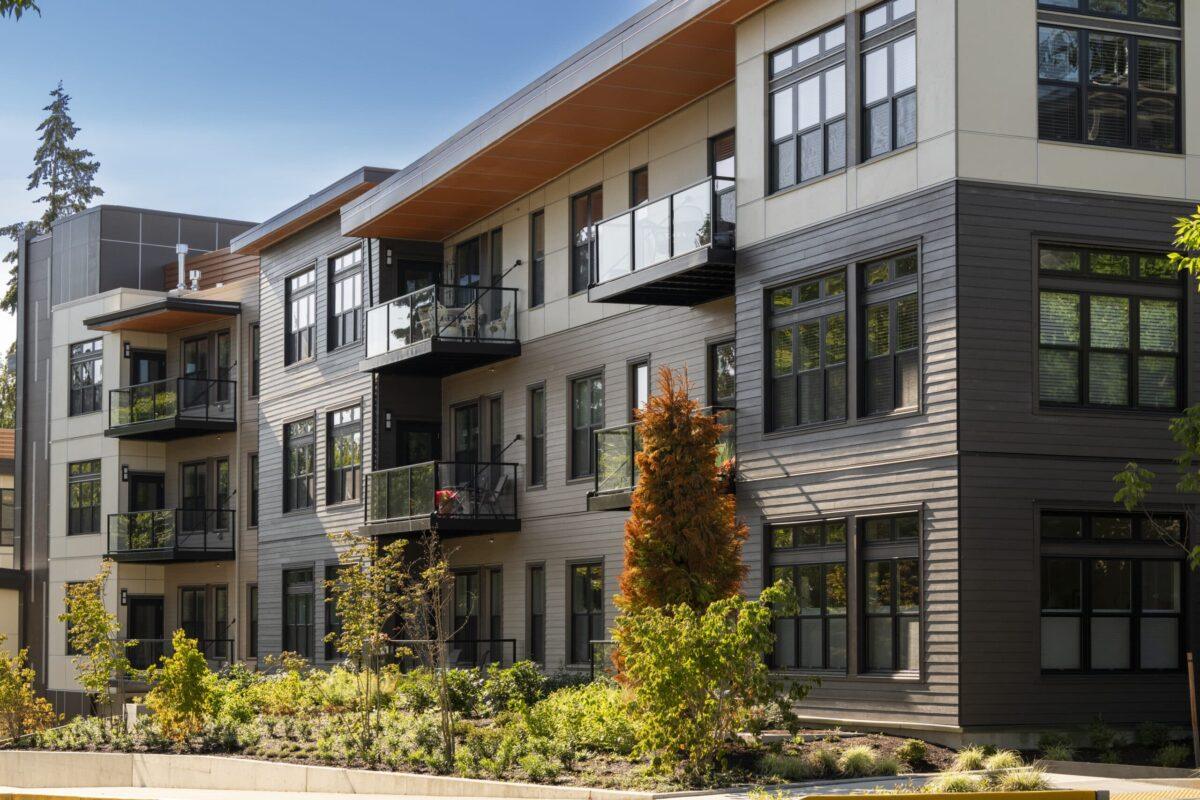
As you or your loved ones begin exploring retirement living options, one important concept to understand is the Continuing Care Retirement Community (CCRC)—also known as a Life Plan Community. These communities are designed to support older adults as they age, offering peace of mind, lifelong care, and vibrant living on a single campus.

But not all CCRCs are created equal.

There are three primary types of contracts offered by CCRCs: Type A (Life Care), Type B (Modified), and Type C (Fee-for-Service). At Emerald Heights in Redmond and Heron’s Key in Gig Harbor, we offer Type A Life Care contracts, the most comprehensive and predictable option.

Let’s explore the differences between each contract type so you can make an informed choice for your future.

Type A: Life Care (Offered at Emerald Heights and Heron’s Key)

What is it?
Type A is the most all-inclusive CCRC contract. Residents pay a one-time entrance fee and a consistent monthly service fee that covers most future health care needs—no matter how those needs change.

Key Benefits of Type A:

  • Predictable Costs: Your monthly service fee remains stable even if you transition to assisted living, memory care, or skilled nursing.
  • Onsite Care: Seamless access to all levels of care without leaving your community.
  • Tax Advantages: A portion (about 30–36%) of your entrance fee may be deductible as a prepaid medical expense.*
  • Low Second Occupant Fees: Great for couples—even if each requires a different level of care.
  • Lifelong Security: You’ll never be asked to leave due to rising healthcare costs.

Type A Life Plan Communities like Emerald Heights and Heron’s Key are ideal for those seeking long-term financial protection and a plan for the future.

🏡 Explore Emerald Heights – Life Plan Community in Redmond, WA
🌊 Discover Heron’s Key – Senior Living in Gig Harbor, WA

Type B: Modified Plan

What is it?
Type B contracts offer some of the benefits of Type A but with limits. You may receive a discounted rate for a defined period if you need care—but once that period ends, you’ll pay market rates.

Considerations:

  • Lower entrance fees than Type A.
  • Limited or discounted healthcare included.
  • Couples may incur separate full fees if they need different levels of care.
  • Health services may be offsite.
  • Refundable entrance fees may be available—but are often contingent on resale of the residence.

This model may appeal to individuals seeking lower up-front costs but still want a degree of protection.

Type C: Fee-for-Service

What is it?
Type C is the most flexible—and potentially riskiest—option. You’ll pay a lower entrance fee and monthly service fee while living independently, but when care is needed, you’ll pay full market rates for assisted living, memory care, or skilled nursing.

Best For:

  • Individuals confident in covering future healthcare expenses out-of-pocket.
  • Those with robust long-term care insurance.

While the initial costs are lower, future care could become significantly more expensive.

Choosing the Right Life Plan Community in Washington State

In Washington, roughly:

  • 1/3 of CCRCs offer Type A Life Care contracts.
  • 1/4 offer Type B.
  • The rest are Type C Fee-for-Service models.

If peace of mind, cost predictability, and onsite access to multiple levels of care matter most to you, a Type A community like Emerald Heights or Heron’s Key may be your best fit.

Why Emerald Heights and Heron’s Key Stand Out

Both Emerald Heights and Heron’s Key are Type A Life Plan Communities in Washington State offering:

  • A vibrant lifestyle for active seniors.
  • Access to onsite healthcare, including memory care and skilled nursing.
  • Strong resident communities and lifelong friendships.
  • Financial confidence and long-term security.

Whether you’re drawn to the natural beauty of Redmond or the scenic waterfront in Gig Harbor, our communities help you plan confidently for the future—without sacrificing the joy of today.

Rooted in Nature: How Outdoor Wellness Thrives at Emerald Heights

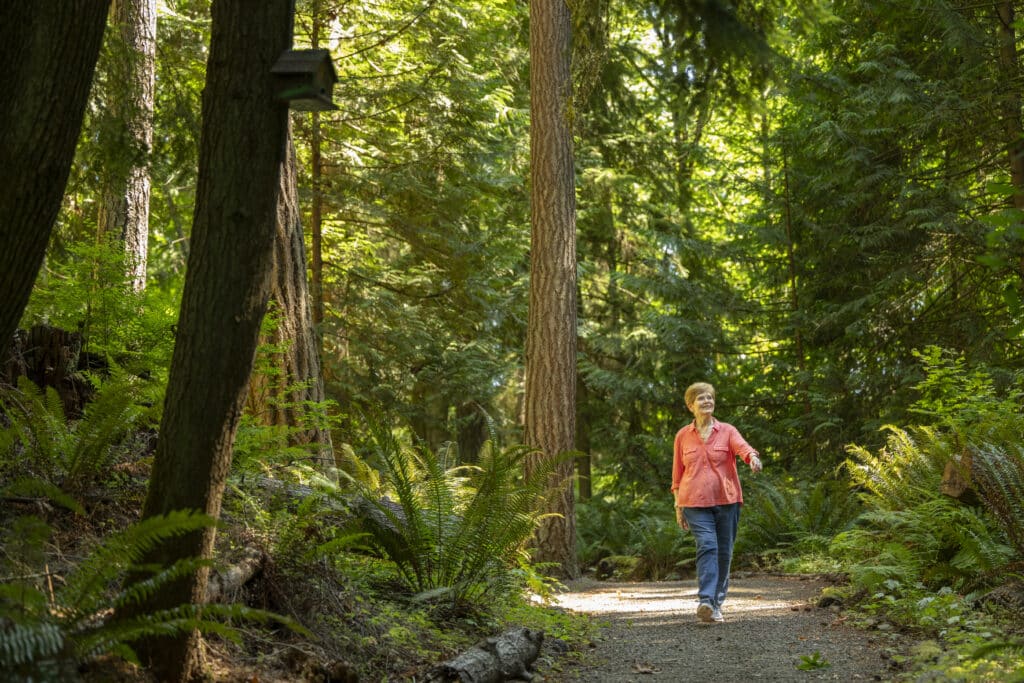
At Emerald Heights, our 38-acre campus in Redmond, Washington, offers more than just beautiful views—it provides a daily opportunity to connect with the natural world. As we reflect on Earth Day, we’re reminded of the vital role that time outdoors plays in supporting overall well-being, from physical activity and fresh air to peace of mind and a sense of connection.

Nature That Nourishes
Whether it’s a walk among the trees, a quiet moment at a favorite lookout, or catching glimpses of Pacific Northwest wildlife along the trail, the natural beauty that surrounds us at Emerald Heights offers something unique for everyone. These everyday experiences are more than enjoyable—they’re deeply beneficial. Studies have shown that time spent in nature can help reduce stress, boost mood, improve cardiovascular health, and even enhance memory.

Our campus was intentionally designed to incorporate access to nature at every turn. Residents can choose how they engage—from social walks with friends to solo strolls for reflection and grounding.

Stewards of the Land: The Nature Trail Crew
None of this would be possible without the dedicated residents behind our Buildings and Grounds Interest Group, and especially our Nature Trail Crew. This resident-led team has developed and now manages over a mile of walking trails on campus, with a focus on preserving the native landscape and maintaining accessibility for all. Their hands-on efforts have created a peaceful, enriching space for everyone to enjoy.

Their work is a reminder that wellness isn’t just something we experience—it’s something we build together.

Simple Ways to Connect with Nature
Whether you’re just starting your wellness journey or have always loved the outdoors, here are a few ways to stay grounded and connected with nature at Emerald Heights:

There’s always something new to discover on the trail—and always a reason to step outside and enjoy the moment.

  • Take a daily walk. Even 10 minutes outside can lift your mood and improve circulation.
  • Pause and observe. Take time to notice the sounds, smells, and sights around you.
  • Practice mindful breathing outdoors. A few deep breaths can help reset your mindset.
  • Bring a friend. Socializing on the trails adds connection to your time in nature.
  • Explore the seasons. Each part of the year brings something new to appreciate—from cherry blossoms in spring to the vibrant leaves of fall.

Looking for more local outdoor inspiration? Visit the Washington Trails Association to find hikes near you and tips for staying active outdoors. You can also explore National Institute on Aging’s guide to exercise and physical activity for older adults .

Celebrating the Outdoors, Together
At Emerald Heights, nature isn’t just a backdrop—it’s part of our culture and wellness philosophy. On this Earth Day and beyond, we celebrate the beauty that surrounds us and the residents who help care for it.

Want to learn more about senior living at Emerald Heights and how we integrate outdoor wellness into our community? Contact us to schedule a visit and see our beautiful trails and campus firsthand.

Living with Purpose and Health: The Emerald Heights Approach to Longevity

In today’s fast-paced world, the concept of aging is evolving. No longer is retirement solely about relaxation; it’s about thriving—physically, mentally, and socially. At Emerald Heights and Heron’s Key, we embrace a holistic approach to aging, ensuring that longevity is not just about adding years to life, but life to years.

Many senior living communities are only now beginning to adopt wellness-based cultures, but at Emerald Heights, wellness has always been at the core of our philosophy. Our residents frequently outlive the national average for those in retirement communities, and we believe this is no coincidence. A combination of purposeful living, a strong sense of community, and a commitment to health-focused initiatives contribute to their vibrant and extended lifespans.

Take, for example, Marge—one of our cherished residents—who, at 103 years old, continues to live independently. Her story is inspiring, but she is far from the only example of the vitality found within our community. Every resident has the opportunity to embrace a lifestyle that fosters growth and well-being in seven critical dimensions of wellness: emotional, social, spiritual, intellectual, environmental, physical, and vocational.

At Emerald Heights, wellness is an action, not just a concept. This commitment is evident in our vast array of programs and activities, designed to engage every facet of well-being. With over 40 resident-led committees and more than 400 activities offered each month, residents have the opportunity to pursue lifelong interests while also exploring new passions. Whether it’s through social gatherings, lifelong learning initiatives, fitness programs, or volunteer work, our residents find fulfillment and purpose in their daily lives.

A key component of our approach is the emphasis on nutritious, sustainably sourced meals. Diet plays a crucial role in longevity and quality of life, and our dining services ensure that residents have access to meals that nourish both body and mind.

Ultimately, longevity is only meaningful when it is paired with purpose and vitality. At Emerald Heights, we provide an environment where individuals can continue to grow, contribute, and lead fulfilling lives—at every age and every stage. Wellness is not just a goal; it is our way of life.

Boost Your Heart Health with These Simple Tips

Heart Disease is the leading cause of death in older adults.

As we age, taking care of our heart health becomes more important than ever. At Emerald Heights, a leading senior living community in Redmond, WA, we understand that maintaining cardiovascular health is key to living a long, vibrant life.

February is Heart Health Month, and it’s the perfect time to focus on simple, practical steps to protect your heart. In this blog, we’ll share expert tips that are easy to incorporate into your daily routine, ensuring you can continue enjoying a healthy, active lifestyle.

Why Heart Health Matters for Seniors

As we age, the risk for heart disease increases, making heart health a top priority for seniors. According to the CDC, heart disease is the leading cause of death for older adults, but the good news is, with a few lifestyle changes, many heart problems can be prevented or managed.

At Emerald Heights, we’re committed to helping our residents lead heart-healthy lives, whether through physical fitness, balanced nutrition, or ongoing wellness support. Here are a few heart health tips to incorporate into your routine today.

1. Eat a Heart-Healthy Diet

A balanced diet is essential for maintaining healthy cholesterol levels, blood pressure, and overall heart function. Focus on nutrient-rich foods that support your cardiovascular health:

  • Fruits and Vegetables: Rich in fiber, vitamins, and antioxidants, they help lower blood pressure and reduce cholesterol.
  • Whole Grains: Foods like oatmeal, whole wheat bread, and brown rice help maintain healthy cholesterol levels.
  • Healthy Fats: Incorporate healthy fats, like those found in avocados, nuts, seeds, and olive oil, to reduce harmful cholesterol.

At Emerald Heights, our residents enjoy meals that are carefully crafted to promote heart health, ensuring they get the nutrients needed for optimal well-being.

2. Stay Active with Regular Exercise

Exercise is one of the best ways to boost heart health and keep your body strong as you age. Regular physical activity helps lower blood pressure, manage weight, and strengthen the heart.

At Emerald Heights, we offer a variety of fitness programs tailored to seniors, from low-impact activities like walking and swimming to chair yoga and strength training classes. Even small daily movements can make a big difference in your cardiovascular health.

Tips for Staying Active:

  • Walk Daily: A 20-minute walk each day can improve circulation and lower blood pressure.
  • Join Group Classes: Socializing while exercising can be motivating and fun! Look for group classes or walking clubs at your community.
  • Strength Training: Two or three times a week, engage in light strength training to keep muscles strong and improve heart function.

3. Manage Stress and Prioritize Mental Health

Chronic stress can take a toll on your heart health, raising your blood pressure and increasing the risk of heart disease. Finding ways to manage stress is essential for a healthy heart.

At Emerald Heights, we emphasize the importance of mental well-being with activities designed to relax the mind and reduce stress. Some effective strategies include:

  • Mindfulness and Meditation: Practicing mindfulness can help lower stress and improve mental clarity.
  • Relaxation Techniques: Try deep breathing exercises or progressive muscle relaxation to calm your nervous system.
  • Socializing: Spend time with friends and family in your community, or engage in activities that make you feel happy and connected.

4. Get Regular Checkups and Monitor Health

Regular health screenings and checkups are crucial for preventing heart disease. At Emerald Heights, we encourage residents to stay on top of their health by scheduling routine checkups with our healthcare team. Early detection of issues like high blood pressure, high cholesterol, and diabetes can help manage risk factors and prevent future heart problems.

Tips for Regular Heart Health Checkups:

  • Blood Pressure Checks: High blood pressure is a major risk factor for heart disease, so it’s important to monitor it regularly.
  • Cholesterol Screenings: Keeping cholesterol levels in check is vital for heart health.
  • Blood Sugar Levels: Diabetes can lead to cardiovascular issues, so maintaining healthy blood sugar levels is essential.

5. Stay Hydrated and Avoid Smoking

Proper hydration plays an essential role in keeping your heart healthy. Water helps maintain healthy blood pressure and supports overall cardiovascular function.

Additionally, avoiding smoking or exposure to secondhand smoke is one of the best ways to reduce your risk of heart disease.

Whether you’re just beginning your heart-healthy journey or looking for ways to stay on track, our dedicated staff and resources are here to support you every step of the way.

Heart health is crucial for seniors, and with the right steps, you can significantly reduce your risk of heart disease. At Emerald Heights, we’re proud to offer resources, support, and a vibrant community to help you live a long, healthy, and fulfilling life. Make the most of Heart Health Month and start incorporating these simple tips into your daily routine. Remember, small changes can lead to big results—your heart will thank you!

Visit our website or contact our team today to learn more about how Emerald Heights can support your heart health and overall well-being.

Socialization in the Corwin Center

At the Corwin Center, Emerald Heights’ onsite assisted living community, staff is always available to ensure residents are getting the right level of care at all times.

The goal of assisted living at Emerald Heights is to help residents remain as independent as possible and step in when needed. However, in the spirit of helping residents live a full, independent life, there are a multitude of social activities for all residents to enjoy.

Socialization, activity, entertainment and recreation play a key role in Emerald Heights’ standard of living. Assisted living is not just about catering to basic needs but making sure residents have everything they need for mental, emotional and spiritual wellbeing.

According to a recent study by the National Institute of Health, 30% of assisted living residents nationwide have experienced depression symptoms at some point while living in their communities. Emerald Heights and the Corwin Center are doing all they can to mitigate these feelings by promoting socialization, activities, and enrichment opportunities.

Types of Socialization Offered

There are dozens of physical fitness classes for residents led by instructors that have the goal of supporting daily activities. There are also walking groups, personal training, and outdoor physical activities to promote wellness.

If a resident’s care plan does not focus on physical activity, there are many other ways to socialize and connect with neighbors at the Corwin Center. There are daily activities including art, music, games, educational lectures, religious services, and so much more.

Some of these activities are for assisted living residents only, however many activities are for both assisted living and independent living residents. This is a great way for residents to socialize with people from all over the community.

This is also one of the largest benefits of the continuum of care offered at Emerald Heights. If a resident finds themselves moving to assisted living from independent living, they are still able to connect with all the friends they have made and participate in many of the activities they have grown accustomed to.

Why Does Socialization Matter

No matter what interests a resident has, the act of socialization in any shape or form can have a huge impact on the wellbeing of residents in assisted living.

Research shows socialization and activity can mitigate depression, loneliness and isolation. Mental health is a huge focus for Emerald Heights and making sure residents have a sense of belonging and purpose is always top of mind.

Many of these activities can also stimulate the mind and foster positive emotions which can improve brain health. Participating in group discussions, attending weekly activities, joining resident groups and sharing ideas with others helps to improve cognitive function and reduce the risk of cognitive declines such as Alzheimer’s or dementia.

The benefits of socialization in assisted living are endless. By ensuring there are opportunities around every corner for residents to connect with one another, Emerald Heights is helping residents live a fulfilling life.  

Love to Travel, But Not so Keen on the Trip Planning? Consider a Senior Travel Tour

Retirement typically makes traveling easier: You’re not limited to a specific allotment of time because of work. You don’t have to plan around school breaks (unless you’re taking the grandkids with you). And most likely, your choice of destinations is wide open.

Although many people plan to travel more after they retire, any number of reasons — including procrastination — can keep them from following through on their intentions.

Even those who previously were avid travelers have had to curb their wanderlust the last few years. Fortunately, most options are open again for both domestic and international travel.

So, if you’re itching for a change of scenery, it may be time to dust off the luggage and go!

Advantages of Travel Tours for Seniors

Planning a trip can be time-consuming and the checklist lengthy, especially when traveling abroad. Leaving the details to a dependable tour operator can lead to a more pleasant experience even before you leave home.

Along with making transportation and lodging arrangements, a travel tour company can:

  • Inform you of any documentation requirements (e.g., visas) and vaccinations that might be necessary if you’ll be traveling to a foreign country
  • Advise you on matters such as currency exchange, travel insurance (including coverage for emergency medical assistance) and how to address potential language barriers
  • Offer tour options you might not be aware of otherwise, such as special interest tours, volunteer vacations and tours with less impact on the environment
  • Help you avoid potential single supplement fees if you’ll be traveling solo (Overseas Adventure Travel, for example, touts its “solo women experience”)

Additionally, many tour operators offer a selection of trips designed with older adults in mind. For instance, they may specialize in walking tours based on the degree of physical challenge involved (i.e., easy, moderate or advanced). Most senior tour operators also have options for travelers who use assistive devices for mobility.

You may also find that you feel safer when traveling as part of a group.

What to Look for in a Senior Tour Program

When you start searching for a tour operator, it may be helpful to have in mind where you want to visit, how you want to get there and how long you want to stay. Some specialize in trips to certain destinations or a specific mode of transportation, whereas others offer a wider variety of options.

On the other hand, if you’re open to suggestions, you may want to see what types of tours are available through various businesses and organizations. AARP® is a good place to start, particularly if you’re already a member.

Read online reviews and check the Better Business Bureau® website to make sure a tour operator you’re considering is legitimate. Then, read the fine print on everything before you sign up or pay a deposit.

See what’s included in the tour package and what extras there may be — like the single supplement fees mentioned earlier. Those can turn out to be quite expensive.

When possible, find out how experienced the tour guides are and whether you’ll be able to interact with your guide. The smaller the group size, the more likely that will be.

If you’re going to shop several tour operators to see which offers the best price, make sure you’re comparing apples to apples. If meals and tips are included in a tour package that’s only slightly more expensive, it may be the better deal. Or, you may discover that a cheaper package doesn’t include air fare.

Check out the itineraries, too. You may find some more appealing than others. Some tour operators allow you to customize the activities to better align with your interests and energy level.

Today’s Tours Go Well Beyond Sightseeing

If you’re a first-time traveler or have only limited experience, you may not be aware of just how many options are available. In addition to the destination, you can choose tour packages based on:

  • Group size (cruises, large bus tours, small group tours, custom tours)
  • Transportation (some people love taking tours by train!)
  • Length of stay (in some cases, you can choose to spend several weeks or even months if you want to immerse yourself in the local culture)
  • A specific activity (e.g., hiking, bicycling or bird watching)
  • Interest (e.g., cuisine, history and culture, art, opera, genealogy or nature/wildlife)

Businesses With a Focus on Tours for Seniors

As noted earlier, AARP is a helpful source — not only for tours but for travel tips as well. You may also want to take a look at these:

  • Road Scholar® – Tours center on lifelong learning opportunities; also offers Grandparent Adventures for those who want to travel with their grandkids
  • TravelStride – Information hub featuring hundreds of tour companies
  • ElderTreks – Small group exotic adventures for adults who are 50 or older
  • Access Tours — Tours of the American West; see their profile on TravelStride
  • Walking the World — Good selection of immersion tours in more than 30 destinations
  • Adventures Abroad – Small group tours for adults age 50+ in 120 countries
  • Firebird Tours® – Mostly European tours, offering themed, private and small group tours
  • Globus® – Many categories of tours, including “undiscovered” destinations
  • Trafalgar – Tours in 72 countries and on all seven continents
  • Grand Circle Travel – River and small ship cruises, land tours, solo-friendly
  • YMT Vacations™ – Land tours, river cruises and combination tours featuring destinations on every continent
  • Senior Cycling – Bicycle tours for adults age 50+ in the U.S. and Canada; hybrid bike rentals available
  • Vacations by Rail – Train vacations and ocean and river cruises in the U.S., Europe and Canada

Senior Travel Clubs

An online search of senior travel clubs will turn up many of the organizations listed above, but this category also includes smaller groups, like those you may learn about at your nearby senior center or place of worship. Other senior travel clubs are affiliated with volunteer organizations or local chapters of organizations such as the American Hiking Society.

Some travel clubs charge an annual membership fee. Due diligence is particularly important if you’re contemplating a trip offered through one of these smaller groups.

As an alternative, you may want to start your own travel club, beginning with a few family members and close friends. Everyone can pitch in and help with the trip-planning process, and you may be eligible as a group for discounts that aren’t available to solo travelers.

Living at Emerald Heights Makes Traveling Easier

Travel is a favorite pastime for many residents of our community — in fact, some deliberately chose to live here because it’s so easy to simply lock the door and go whenever they want. There’s no need to worry about their home while they’re away.

Plus, whether they’re in independent living or assisted living, being here at Emerald Heights frees up more of their time for adventures near and far.

If you’re a globetrotter at heart or you enjoy an occasional excursion closer to home, you’ll find that living at Emerald Heights is the perfect home base. The Seattle-Tacoma International Airport is about half an hour away, and several cruise lines sail out of Seattle. If you prefer road trips, there’s a multitude of choices for day trips, overnight stays and longer getaways.

Let us know if you’d like to make a visit to Emerald Heights part of your travel plans. We’ll happily set up a time to show you around.